

Developments in paint production in iran

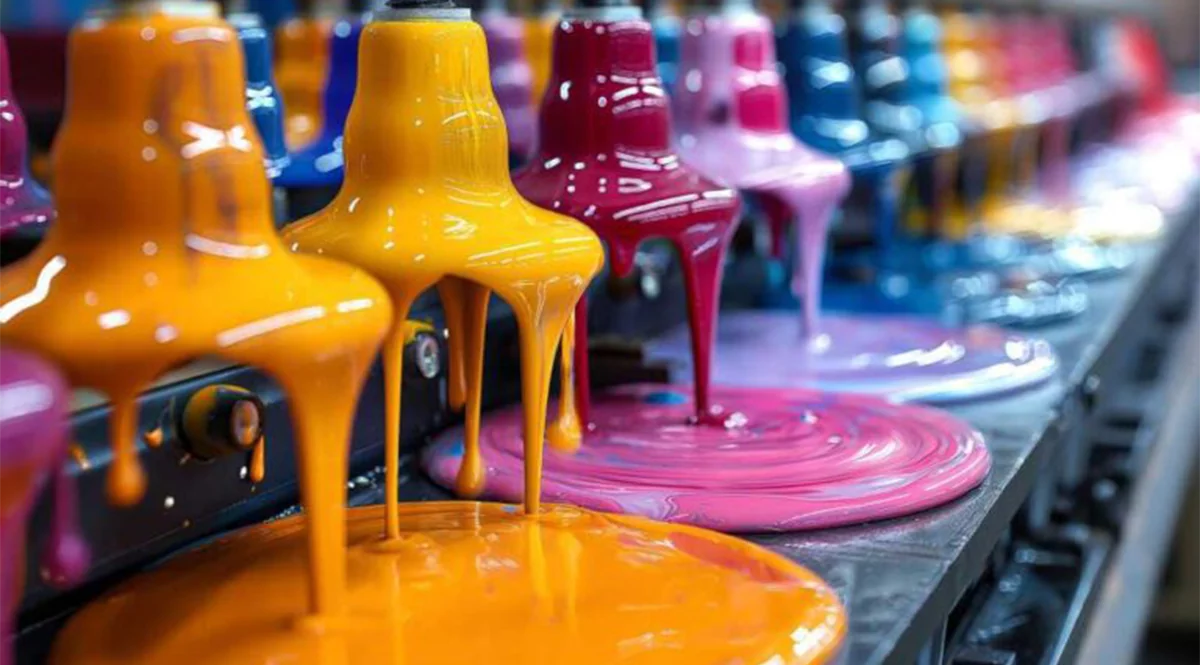
The paint industry in Iran has undergone a significant process of transformation and evolution over recent decades. This industry, which initially operated with limited production capacity and simple technologies, has gradually advanced to a higher position within the country’s production chain through the use of technical knowledge, investment in modern equipment, and the development of industrial infrastructure. The evolution of paint production in Iran can be examined through several key dimensions: technological development, product diversification, quality improvement, and movement toward modern environmental standards.
In the early years of paint manufacturing plants, most processes were semi-mechanized and heavily dependent on foreign knowledge and imported raw materials. Over time, with the increasing demand of the domestic market, manufacturers moved toward upgrading production lines, using advanced mixing and grinding machines, and improving quality control systems. These changes led to increased production capacity, product consistency, and reduced waste.
One of the most important developments in this industry has been the expansion of the range of products. In the past, the main focus was on basic oil-based and plastic emulsion paints for construction. However, gradually the production of water-based acrylic paints, industrial coatings, automotive paints, marine and anti-corrosion coatings, traffic paints, and epoxy flooring systems was also introduced. This product diversification has addressed the specialized needs of various industrial and construction sectors and strengthened the position of the paint industry in the national economy.
Increasing competition in the domestic market has also played a significant role in transforming production. Competition among manufacturers has led to greater attention to quality, packaging, after-sales service, and innovation in formulation. Many companies have established research and development (R&D) units to improve the technical properties of their products, including resistance to moisture, ultraviolet radiation, corrosion, and chemicals. This more scientific approach has shifted the paint industry closer to a knowledge-based sector rather than a purely manufacturing one.
On the other hand, global environmental changes and the need to reduce pollutants have also influenced the development path of paint production in Iran. The shift toward water-based paints with lower volatile organic compound (VOC) content, the replacement of hazardous solvents, and increased attention to the safety of consumers and workers are among the measures that have gained importance in recent years. This trend reflects the alignment of Iran’s paint industry with modern global standards.
Economic developments and international restrictions have also pushed manufacturers toward greater self-sufficiency in raw material supply and the development of domestic capabilities. Investment in the local production of resins and certain raw materials represents an important step toward reducing dependency and increasing production stability.
In conclusion, the transformation of paint production in Iran reflects the industry’s transition from an initial stage of formation toward industrial maturity and specialization. Continued investment in technology, training of skilled human resources, and strengthening industrial cooperation can pave the way for sustainable growth and increased competitiveness of this industry at both regional and international levels.